
Can you tell us a little about yourself?
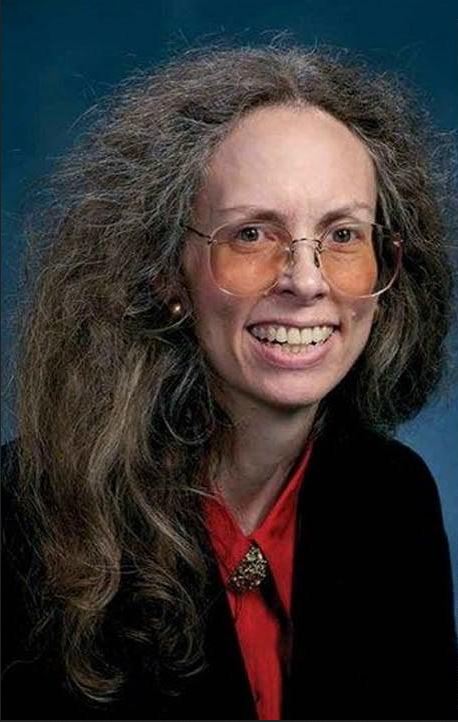
I have a doctorate in American history from Harvard University, and I am a professor at Ohio State University. I have taught here for most of my career. My areas of interest are social, economic, and cultural history, from the Revolution through the Reconstruction era. I have published six books, and most of them concern the Civil War era.
Tell us about a bit about your book.
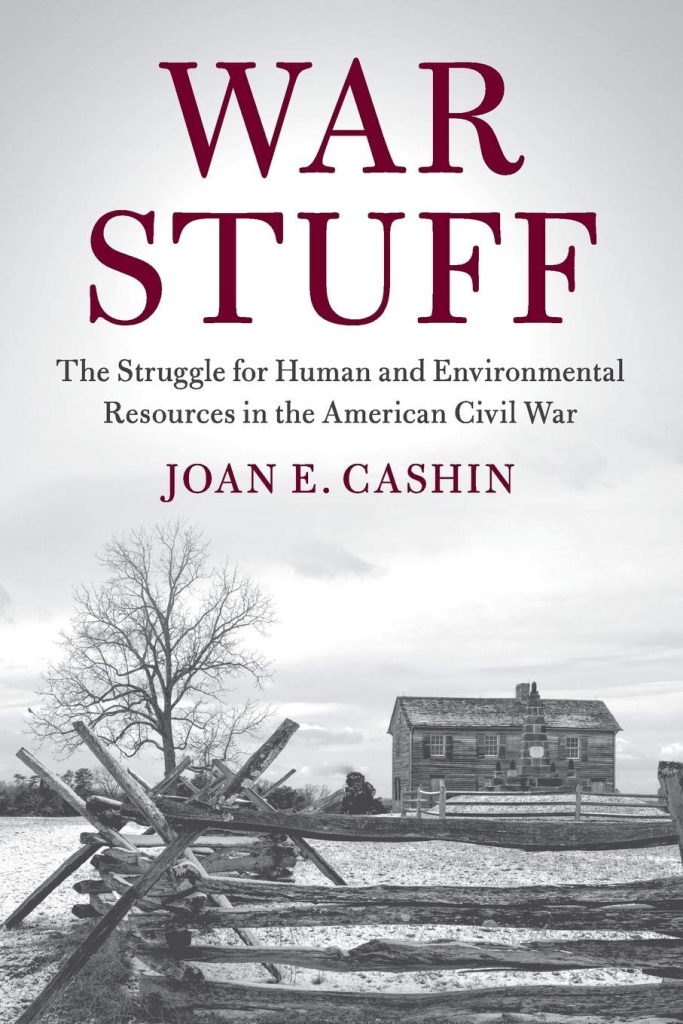
When I was working on other projects, I kept coming across evidence of soldiers in both armies taking resources–such as food, timber, and housing–from white Southern civilians. I was surprised that Confederate soldiers took resources from pro-Confederate civilians, and I wondered if there were regulations on that point. In fact, both armies prohibited that behavior. It is mentioned in the Articles of War from 1806, and both armies adopted the Articles during the war. But both armies also assumed that their material needs came first. The result is my book, WAR STUFF: THE STRUGGLE FOR HUMAN AND ENVIRONMENTAL RESOURCES IN THE AMERICAN CIVIL WAR, published in English by Cambridge University Press in 2018. Academic Studies Press published a Russian translation in 2023. This is the first book on the American Civil War to be translated into Russian,
Have you always wanted to become a writer?
Since I was a schoolgirl, I have loved reading. I have always loved language. When I was a college student at American University, majoring in history and literature, I realized that I could do this for a living if I became a professor.
What has helped or hindered you most when writing a book?
The abundance of historical evidence is very helpful. The Civil War era is very well-documented, because wars always generate a lot of documentation, and because many people realized this was an important historical event, so they wrote a lot of letters, diaries, and memoirs. So, this abundance of documentation can be a blessing. But it can also be a challenge–I won’t say a curse–to work through in the archives. Then, after the research is finished, the author has to put it all together.
What inspired the idea for your book?
The accounts of troops taking food from civilians. That was the first red flag. There were many such references in the historical record, by soldiers and civilians. Human beings need food to survive, of course, and the struggle over the food supply became a prime struggle for survival.
What advice would you give a writer working on their first book?
Choose a topic that you find deeply compelling, something that you can stick with. When you are in the writing phase, try to do some writing almost every day, so that the book lives in your head, as it were. After the first draft is done, be willing to revise. The revisions may be difficult, but they will make the book a better book.
What is the most valuable piece of advice you’ve been given about
writing?
My advisor at Harvard, David Herbert Donald, told me to be willing to revise. It was good advice,
Where do you get your information or ideas for your books?
From reading the historical documents. The lived experience of the American people is a fascinating story, it is very well-documented, and it never gets dull.